Ocoee River Rafting in Tennessee
RAFT THE OCOEE RIVER!
If you’re looking for a rafting trip that actually delivers, the Ocoee River Rafting in southeast Tennessee is hard to beat. This river has been drawing outdoor lovers for decades, and once you’re on the water, it’s easy to see why.
Unlike many whitewater rivers that depend on rainfall, the Ocoee River Rafting runs on scheduled dam releases. That means the rapids stay consistent throughout the season, and you can plan your trip with confidence. Whether it’s your first time in a raft or you’ve been down a few rivers before, the Ocoee offers that sweet spot between exciting and approachable.
Why So Many People Choose the Ocoee
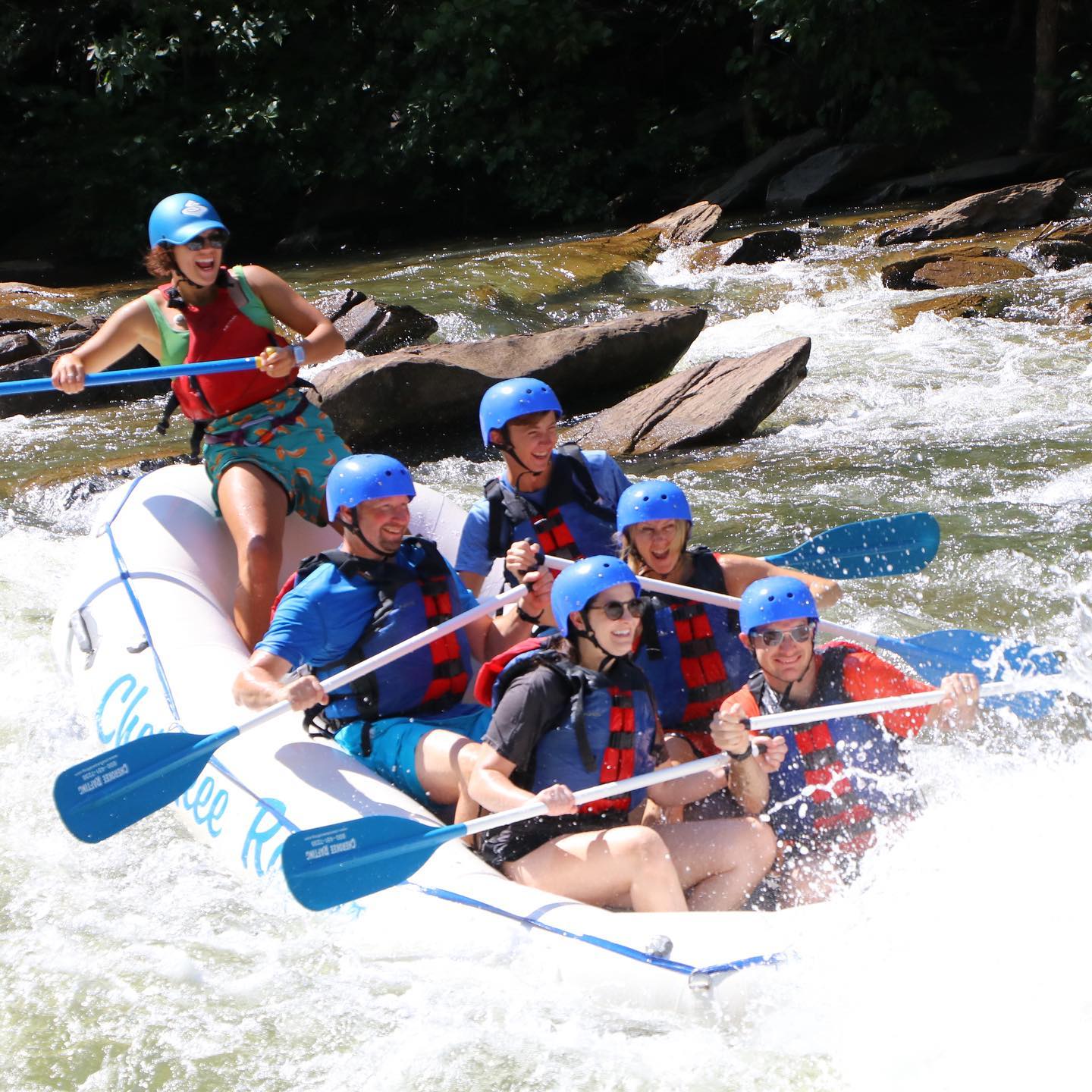
The Ocoee isn’t just popular, it’s reliable. The river cuts through the Cherokee National Forest, so you get mountain views and fast moving water in the same trip. It’s close enough for an easy drive from Chattanooga, Knoxville, or even Atlanta, which makes it a go-to weekend adventure.
Here’s what keeps people coming back:
-
Consistent, dam controlled water levels
-
Continuous Class III–IV rapids
-
Trips that fit easily into a single day
-
Beautiful forest and mountain scenery
-
A long, predictable rafting season
For many visitors, it becomes the trip they compare every other river to.
Middle vs. Upper Ocoee: What’s the Difference?
Middle Ocoee
This is the stretch most people raft and for good reason. The Middle Ocoee packs steady action into about five miles, with rapid after rapid and very little downtime. It’s a great choice for:
-
First-time rafters
-
Families with teens
-
Bachelor or group trips
-
Anyone wanting classic Ocoee excitement
Upper Ocoee
The Upper section is where the 1996 Olympic whitewater events were held. It’s more technical and a bit more intense, which makes it popular with folks who want a bigger challenge.
Full Ocoee
Can’t decide? The Full Ocoee combines both sections into one longer trip. Expect a full day and plenty of whitewater.
Best Time of Year to Go
Because of the scheduled releases, there isn’t really a “bad” time during the season, but each part of the year has its own vibe.
Spring (April–May)
Cooler air, punchy water, and lighter crowds. A lot of repeat rafters prefer spring for the stronger feel of the river.
Summer (June–August)
This is peak season. Warm weather, full schedules, and the most family trips. Weekends can book up fast.
Early Fall (September)
One of the most underrated times to visit. Comfortable temps, pretty mountain scenery, and usually fewer people on the river.
Ocoee River Rafting FAQs
What is Ocoee River rafting known for?
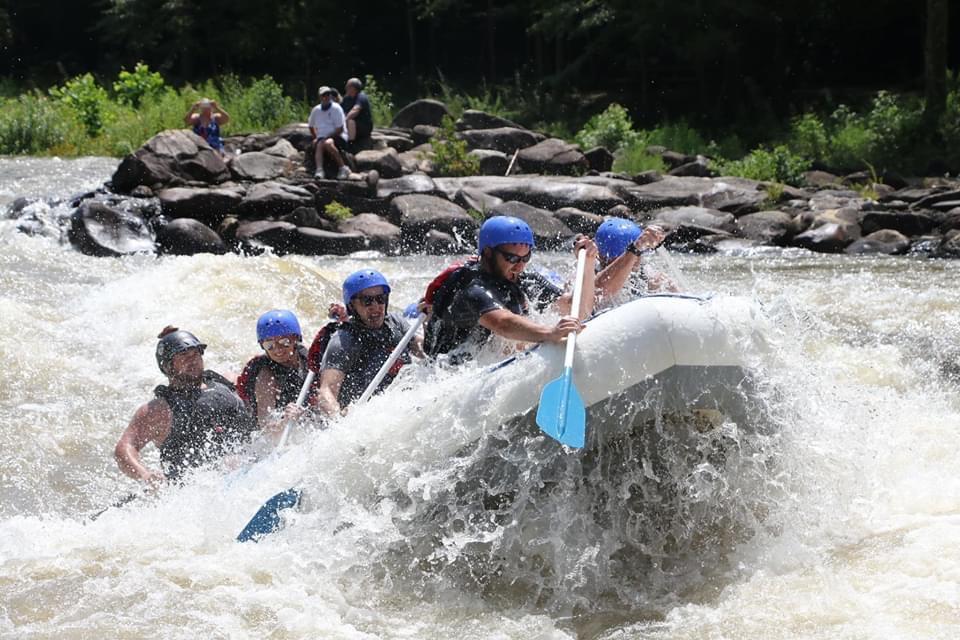
Ocoee River rafting is known for its exciting Class III and IV whitewater rapids, making it one of the most popular rafting destinations in the United States. The river gained national attention after hosting the 1996 Olympic whitewater events and offers nonstop action with over 40 named rapids.
How long does an Ocoee River rafting trip take?
Most Ocoee River rafting trips last between 3 to 5 hours, depending on the section you choose. Middle Ocoee trips are shorter, while Full Ocoee trips include both sections and can last up to 6 hours with breaks and river play.
What is the best time of year to go rafting on the Ocoee River?
The Ocoee rafting season typically runs from April through October, with warm water and peak conditions in summer. Spring offers fewer crowds, while fall provides scenic views and cooler weather.
Do I need experience to go whitewater rafting?
No experience is required. Professional guides provide all instructions and safety guidance, making Ocoee River rafting perfect for beginners and first-time adventurers.
Is Ocoee River rafting safe?
Yes, Ocoee River rafting is safe when guided by trained professionals. Guests are provided with helmets and life jackets, and guides give step-by-step instructions throughout the trip.
What happens if I fall out of the raft?
Falling out is rare but possible during whitewater rafting. If it happens, your life jacket keeps you afloat, and your guide will quickly help you back into the raft.
What should I wear for Ocoee River rafting?
Wear quick-drying clothes like athletic wear or swimwear and avoid cotton. Secure footwear such as water shoes or sandals with straps is required—flip flops are not allowed.
Can I wear sunglasses or bring my phone?
Yes, but only if secured with a strap or waterproof case. Anything not secured can be lost in the river.